
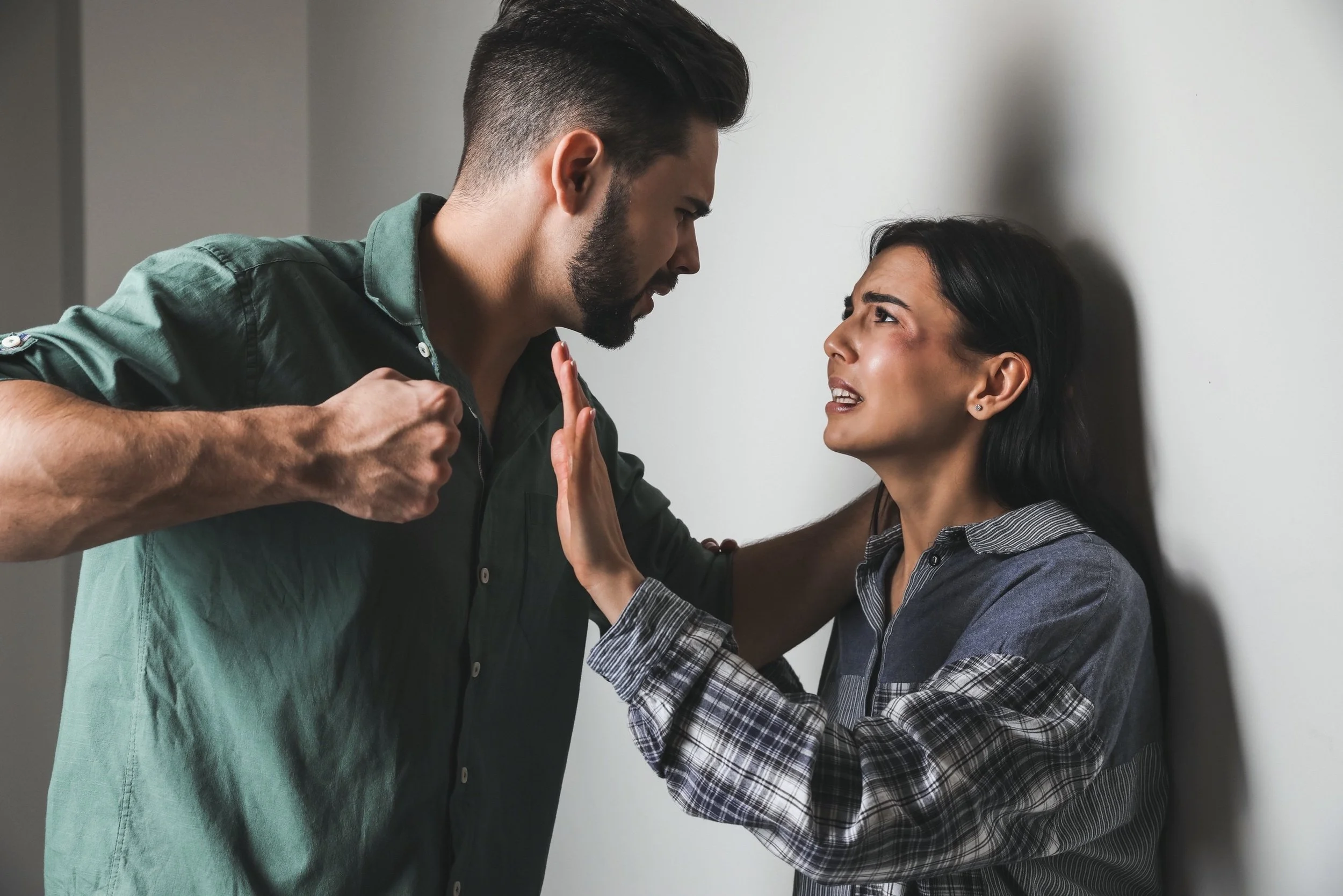
Domestic Violence
DOMESTIC VIOLENCE IS NOT OKAY and YOU ARE NOT ALONE
Intimate partner violence or domestic abuse is a pattern of behaviors that one partner uses to exercise power and control over their partner. It can happen between couples that are married, dating or living together. You must be honest with yourself. If you are in a relationship that is violent, or emotional abusive, it is critical to act. He will not change, no matter how many times he says, “I’m sorry.”
Different types of abuse can occur at the same time within the same relationship. This includes:
· Physical abuse. This includes rough handling, threats with a weapon, throwing objects, pushing, or hitting.
· Emotional and psychological abuse. This includes verbal attacks, rejection, humiliation, intimidation, social isolation, or threats. Abuse may also include limiting contact with family and friends.
· Sexual assault. Sexual assault is any unwanted sexual activity that occurs without clear permission (consent) from both people. This includes unwanted touching and sexual harassment. This can occur between both married and unmarried couples.
· Economic abuse. This includes controlling money, food, transportation, or other belongings.
· Stalking. This involves such things as repeated, unwanted phone calls, e-mails, or text messages, or watching the partner affected by the abuse from a distance.
Those affected by intimate partner violence may:
· Be late to work or other events.
· Avoid social activities.
· Be isolated or kept from seeing friends or family and may have to let their partner know where they are and who they are with.
· Make comments about their partner's temper and make excuses for their partner's behavior.
· Engage in high-risk sexual behaviors.
· Use drugs or alcohol.
· Have unhealthy eating behaviors.
Those affected by intimate partner violence may feel that they:
· Must be careful not to say or do things that trigger their partner's anger.
· Cannot do anything right and deserve to be treated badly.
· Overreact to their partner's behavior or temper.
· Cannot trust other people or cannot trust their own feelings. They often feel emotionally drained or numb.
· Are trapped and are in danger if they try to leave.
· May have their children taken away by their partner.
If you do not feel safe searching for help online at home, use a computer at a public library to access the internet. Call 911 if you are in immediate danger or need medical help.
Intimate partner violence hotlines and websites
The National Domestic Violence Hotline.
24-hour phone hotline: 1-800-799-7233 (SAFE) or 1-800-787-3224 (TTY).
Text "START" to 88788.
Online: thehotline.org
The National Sexual Assault Hotline.
24-hour phone hotline: 1-800-656-4673 (HOPE).
Online: rainn.org
Shelters for persons affected by intimate partner violence
· If you are a person who has experienced intimate partner violence, there are resources to help you find a temporary place for you and your children to live (shelter). The specific address of these shelters is often not known to the public.
Police
· Report assaults, threats, and stalking to the police.
If you ever feel like you may hurt yourself or others, or have thoughts about taking your own life, get help right away. Go to your nearest emergency department or:
Call your local emergency services (911 in the U.S.)
Call a suicide crisis helpline, such as the National Suicide Prevention Lifeline at 1-800-273-8255 or 988 in the U.S. This is open 24 hours a day in the U.S.
Text the Crisis Text Line at 741741 (in the U.S.).